Think about how your customers shop online today. They open a browser, search for a product, click through to your store, browse around, and eventually check out. That process is about to change in a big way.
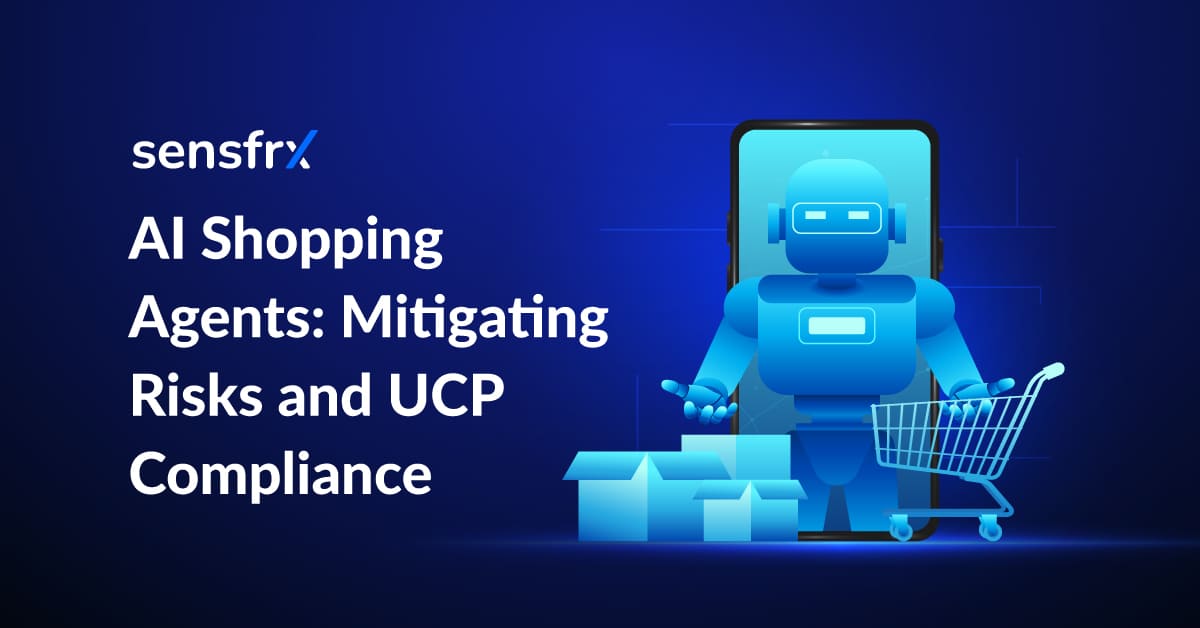
A new wave of technology is putting AI-powered shopping assistants in the hands of consumers. These assistants, known as AI Shopping Agents, can browse stores, compare products, and complete purchases entirely on their own, without the customer ever visiting your website directly.
In January 2026, two of the biggest names in retail and technology, Shopify and Google, announced a shared rulebook for how these AI agents should communicate with online stores. They called it the Universal Commerce Protocol, or UCP. Think of it as a common language that AI shopping assistants use to talk to your store.
Major retailers and payment companies, including Target, Walmart, Wayfair, Etsy, Stripe, Visa, and Mastercard, have already signed on. This is not a fringe experiment. It is quickly becoming the new standard.
What This Actually Means for Your Store
This shift brings real opportunity and real risk, often at the same time.
The Opportunity
If your store supports these AI agents, customers who use shopping assistants can discover and buy your products without any friction. Your store essentially gets a new sales channel, one that is open 24/7 and requires no extra effort from you once it is set up.
The Risk You Cannot Ignore
Key Warning: Early adopters of this technology who do not add extra security layers are expected to see up to 40% more automated fraud attempts. This is not a reason to avoid the technology. It is a reason to approach it smartly.
The problem is straightforward. When an AI agent places an order, your store cannot tell whether a real customer authorised it or whether a fraudster hijacked the customer’s account and sent a rogue agent to clean out their wishlist. Traditional fraud signals, like how someone moves their mouse or how fast they type, simply do not exist when a machine is doing the shopping.
The Fraud Problem
How a typical attack would work:
- A fraudster gains access to one of your customer’s accounts, perhaps through a leaked password from another website.
- Instead of logging in manually (which your security systems might flag), they deploy an AI shopping agent to do the shopping for them.
- Because the agent follows all the right rules and presents valid credentials, your store sees it as a perfectly legitimate order.
- The fraudster changes the shipping address, inflates the order quantity, or drains loyalty points, and your systems do not raise any alarms.
The core issue is that the new protocol ensures the agent is speaking the right language. It does not check whether the person who sent the agent actually owns the account.
What Good Protection Looks Like
Protecting your store in this new environment requires two layers of defence working together. Think of it like the security at an office building: the front desk checks your ID (that is Layer 1), but you also need an access badge to enter specific rooms (that is Layer 2).
| Layer 1: Is the Agent Legitimate? | Layer 2: Does the Behaviour Make Sense? |
| Checks that the shopping agent has the right credentials | Checks whether the transaction fits the customer’s normal patterns |
| Verifies the communication is secure and encrypted | Flags unusual changes, like a new delivery address or a sudden spike in orders |
| Rejects agents that fail basic identity checks at the door | Raises an alert if something feels off, even if the credentials are valid |
The critical insight is this: Layer 1 alone is not enough. A fraudster using a compromised account will pass Layer 1 with flying colours. Layer 2 is what catches them.
What You Should Do Right Now
1. Check Whether Your Platform Is Ready
Most older e-commerce platforms do not support AI shopping agents out of the box. Ask your website provider or technical team whether your store can handle UCP traffic. If not, you may need a plugin or update. If you are on Shopify, watch for official guidance from them, since they co-developed this standard.
2. Do Not Rely on the Protocol Alone
When your platform offers UCP compliance as a feature, do not treat it as a complete security solution. It is a foundation, not a finished building. Make sure any tool you adopt also includes the behavioural checks described in Layer 2 above.
3. Ask Vendors the Right Questions
If a security vendor is pitching you an agentic commerce solution, ask them specifically:
- Do you track whether a delivery address has changed from what the customer normally uses?
- Can you detect an unusual spike in order volume from a single account?
- Does your dashboard clearly show me whether a transaction was placed by a human or an AI agent?
- What happens when a verified agent tries to make a change that seems suspicious?
A vendor who cannot answer these questions clearly is selling you Layer 1 and calling it full protection.
4. Keep Your Fraud Data Clean
As AI agent traffic grows, your fraud reports will start mixing together orders placed by humans and orders placed by AI. This matters because the patterns are different. Make sure your reporting tools can separate the two, otherwise your fraud team will be chasing ghosts.
A Realistic Timeline
You should have a rough sense of how this will likely unfold for most independent and mid-size retailers:
| Timeframe | What to Expect |
| Now (2026) | Early adopters and large retailers integrate UCP. Fraud attempts targeting these stores begin increasing. |
| 2027 | Platforms start offering UCP as a standard feature. More customers begin using AI shopping assistants. |
| 2028 | UCP becomes an expected standard for any store wanting to participate in AI-driven commerce. |
| Beyond 2028 | AI agents may account for a significant share of online transactions. Stores without proper security will be targets. |
Sensfrx : The Dual-Layer Security Framework
The Sensfrx system for Agentic Commerce is built to close the gap between technical protocol rules and the actual context of a user’s behaviour. This architecture is organised into four distinct tiers, ensuring that every automated purchase is both technically valid and truly authorised by the customer.
1. The Ingestion Tier (Your Store’s Front Door) This tier acts as the entry point for all autonomous traffic. Since most standard store setups cannot process UCP signals on their own, this layer uses a Sensfrx Plugin or a custom API gateway. It identifies incoming data from AI agents, separates it from your regular human visitors, and sends it to the risk engine for a closer look.
2. The Protocol Compliance Engine (Layer 1)
Consider this your digital gatekeeper. It focuses entirely on the technical rulebook, checking cryptographic signatures and networking standards without looking at user patterns yet.
Verification of Headers: The engine looks for the required ucp-agent markers and digital signatures.
Secure Transport: It enforces strict encryption, automatically blocking any unencrypted data to keep customer information safe.
Identity Validation: By checking unique digital keys, the system confirms the agent is a registered and recognised entity.
3. The Contextual Risk Engine (Layer 2)
This is where the deep analysis happens to stop account takeovers. Once an agent passes the technical checks, this layer asks whether the intent behind the shopping trip actually makes sense.
Binding Identities: The system links a verified agent to a specific customer account. This stops a fraudster from using a “valid” agent to control a hijacked profile.
Historical Patterns: The engine compares the current request against how that customer has shopped in the past.
Detecting Anomalies: If a legitimate agent suddenly tries to change a shipping address or bulk-order expensive items, the system flags it as high-risk. This compensates for the loss of traditional signals like mouse movements.
4. The Decision and Audit Tier
The final stage combines insights from both layers to decide how to handle the transaction. A single risk score is created based on technical validity and behavioural safety. The order is either cleared, sent for a quick verification check, or blocked entirely. To keep your records accurate, this tier creates detailed logs. It ensures your team can clearly see which orders were placed by AI agents versus humans, making it easier to review security events later.
Conclusion
What This Means for You: AI shopping agents are coming whether stores prepare for them or not. The stores that will thrive are the ones that welcome the new technology while putting proper safeguards in place. That means going beyond the basic protocol and investing in tools that understand your customers well enough to notice when something is wrong, even when all the technical credentials check out.
This is not about becoming a technology expert overnight. It is about asking the right questions of your platform and your security vendors, and making sure the tools you use can tell the difference between a customer who sent an agent to shop for them and a fraudster who is pretending to be that customer.
Start the conversation with your platform provider today. The window to get ahead of this is open now, and it will not stay open for long.
Frequently Asked Questions
What are AI Shopping Agents?
AI Shopping Agents are software programs that shop on behalf of consumers, automatically browsing products and completing checkouts without the customer needing to visit the website directly.
What is the Universal Commerce Protocol (UCP)?
UCP is a shared rulebook, co-developed by Shopify and Google, that serves as a common language allowing AI shopping assistants to communicate securely with online stores.
Why do AI Shopping Agents pose a security risk?
Because AI agents automate the shopping process, traditional fraud detection signals—such as mouse movements or typing speed—are absent. Fraudsters can leverage compromised accounts and use these agents to make unauthorized purchases that appear legitimate.
What is the difference between Layer 1 and Layer 2 security?
Layer 1 (Protocol Validation) focuses on the technical “handshake,” verifying the agent’s credentials and digital signatures. Layer 2 (Contextual Analysis) focuses on behavioral patterns, analyzing if the transaction makes sense given the customer’s shopping history.
How should I protect my store?
Do not rely on protocol compliance alone. Ensure your platform supports UCP, ask security vendors specifically about their ability to track behavioral anomalies like shipping address changes, and ensure your reporting tools can separate human transactions from those made by AI agents.